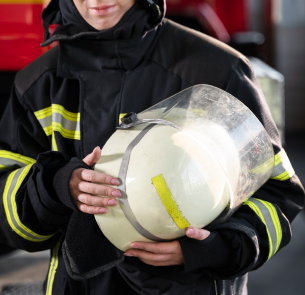
Prioritizing Mental Health for Safer Communities
We count on our First Responders and Medical Workers to take care of us on the worst days of our lives. But when tragedy is an everyday occurrence, the emotional toll can be overwhelming. Without proper mental health support, these dedicated professionals may struggle to cope with their experiences, leading to burnout, decreased effectiveness, and even personal crises.
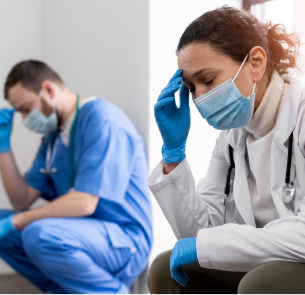
Protective Measures Are Incomplete
We equip police with body armor to protect against bullets, provide gloves for paramedics to guard against disease, and supply firefighters with gear to shield them from flames. Yet, we do nothing to safeguard their mental health.
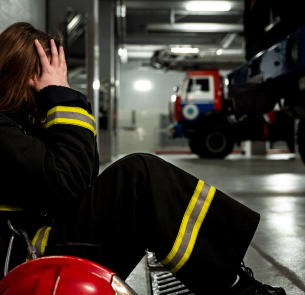
Preventing Tragic Encounters
Most, if not all, of the tragic encounters between first responders and citizens could be prevented or mitigated with better mental health treatment and support for both parties.

Practicing Proactive Care
Just as we conduct regular maintenance on our vehicles and equipment, mental health maintenance must be integrated into our support systems.
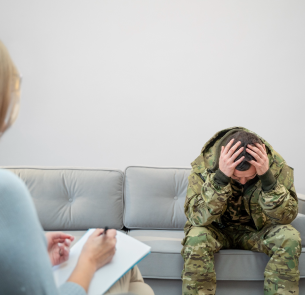
A Cost-Effective Investment
Ensuring the well-being of our First Responders and Medical Workers is far more cost-effective than replacing them. Let's prioritize their care to safeguard both their future and our community’s resilience.